 ECB2026: where biotechnology becomes Europe’s blueprint for the future
Biotechnology is no longer a collection of specialist disciplines evolving in parallel. It is becoming something broader, more connected, and far more consequential: a foundational technology shaping how Europe feeds itself, heals itself, powers itself, and sustains its environment.
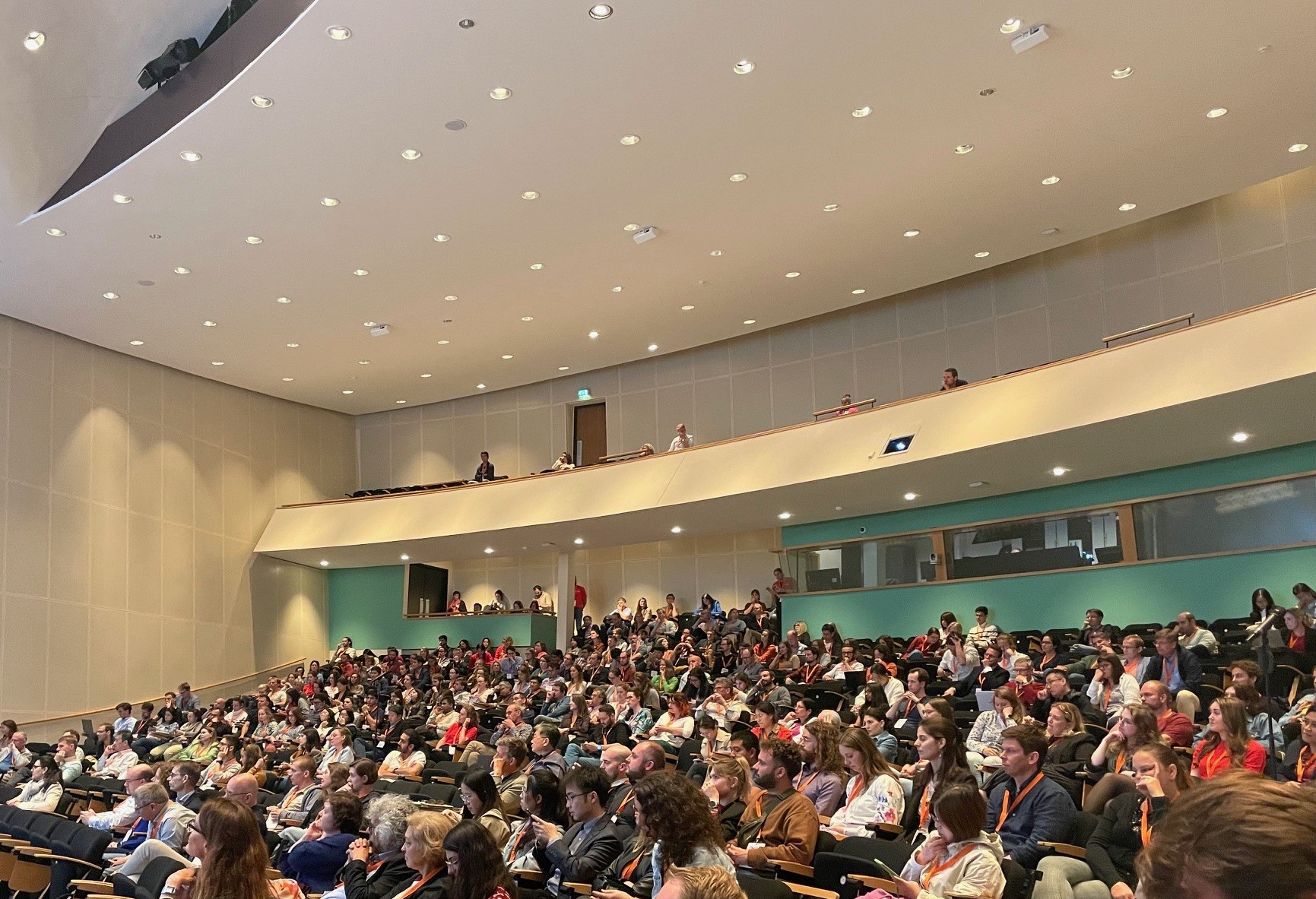
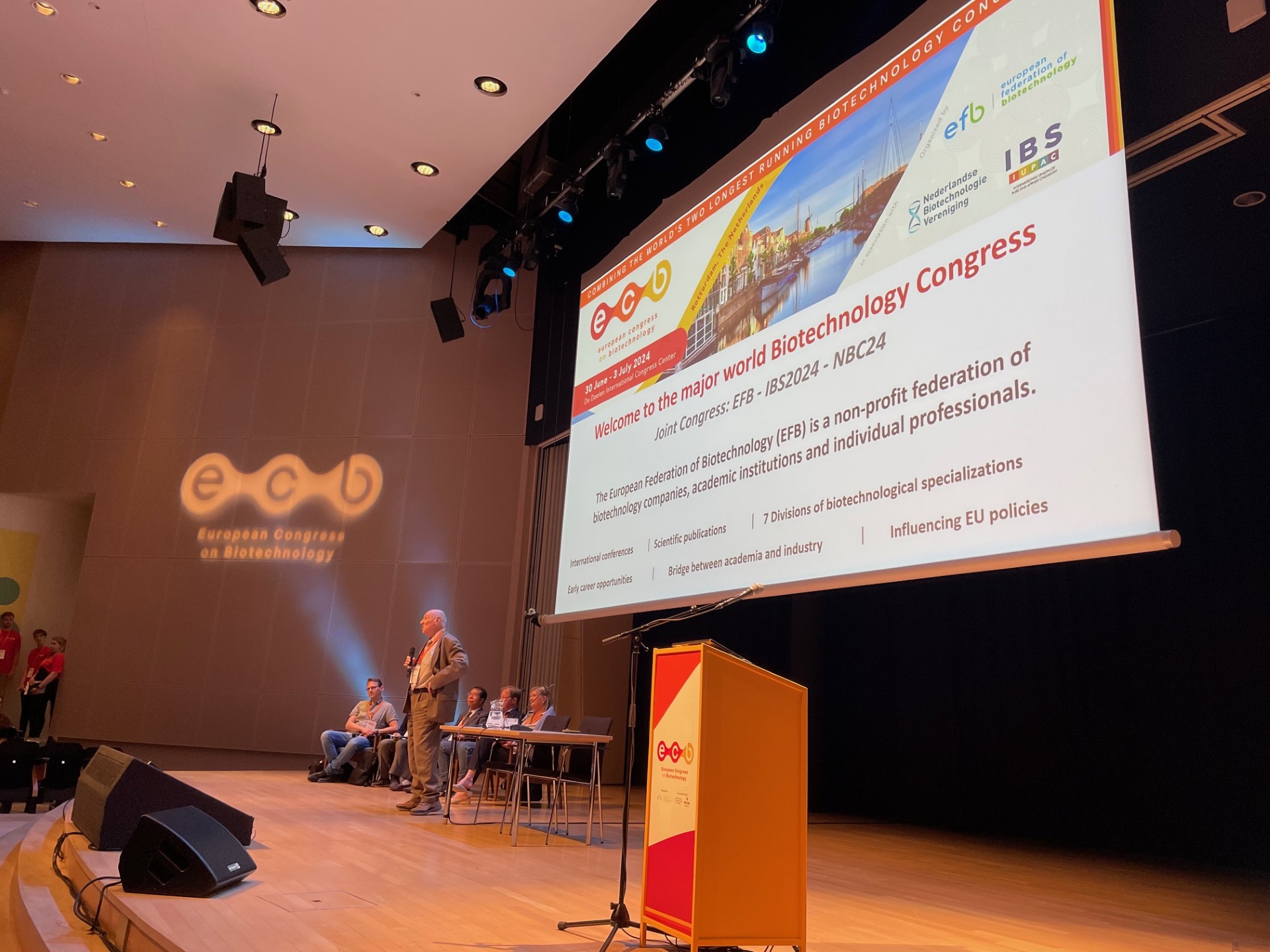
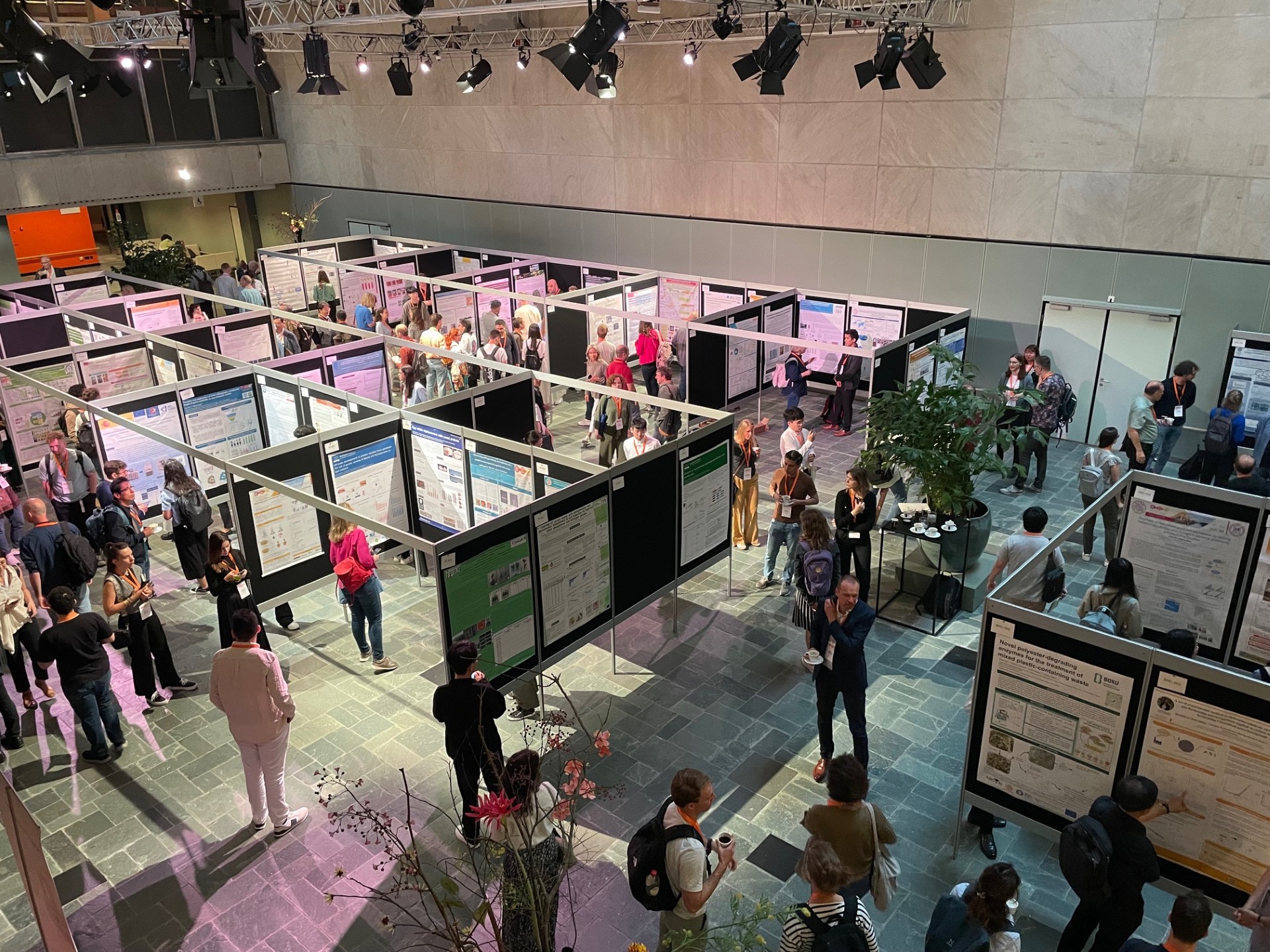
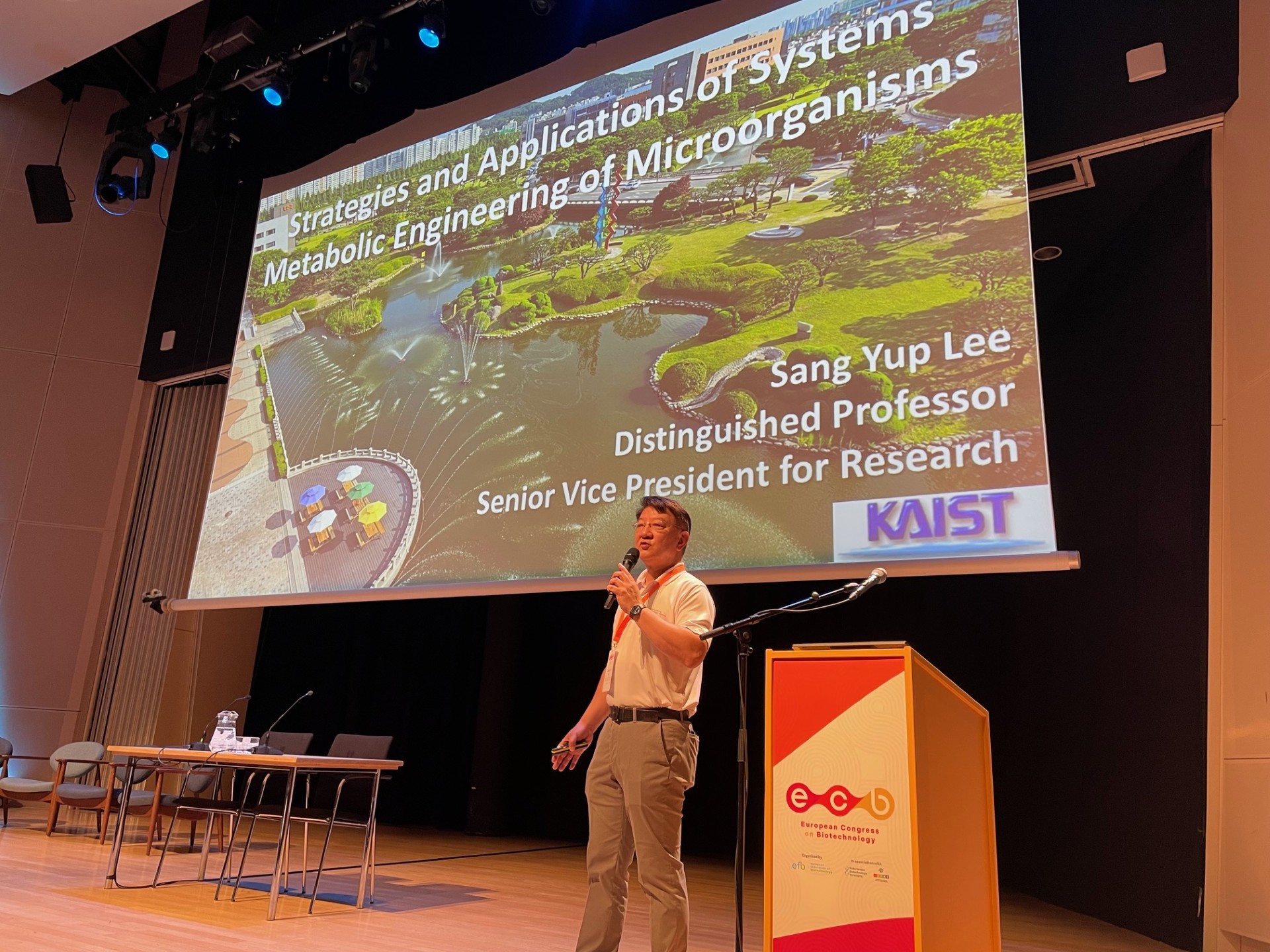
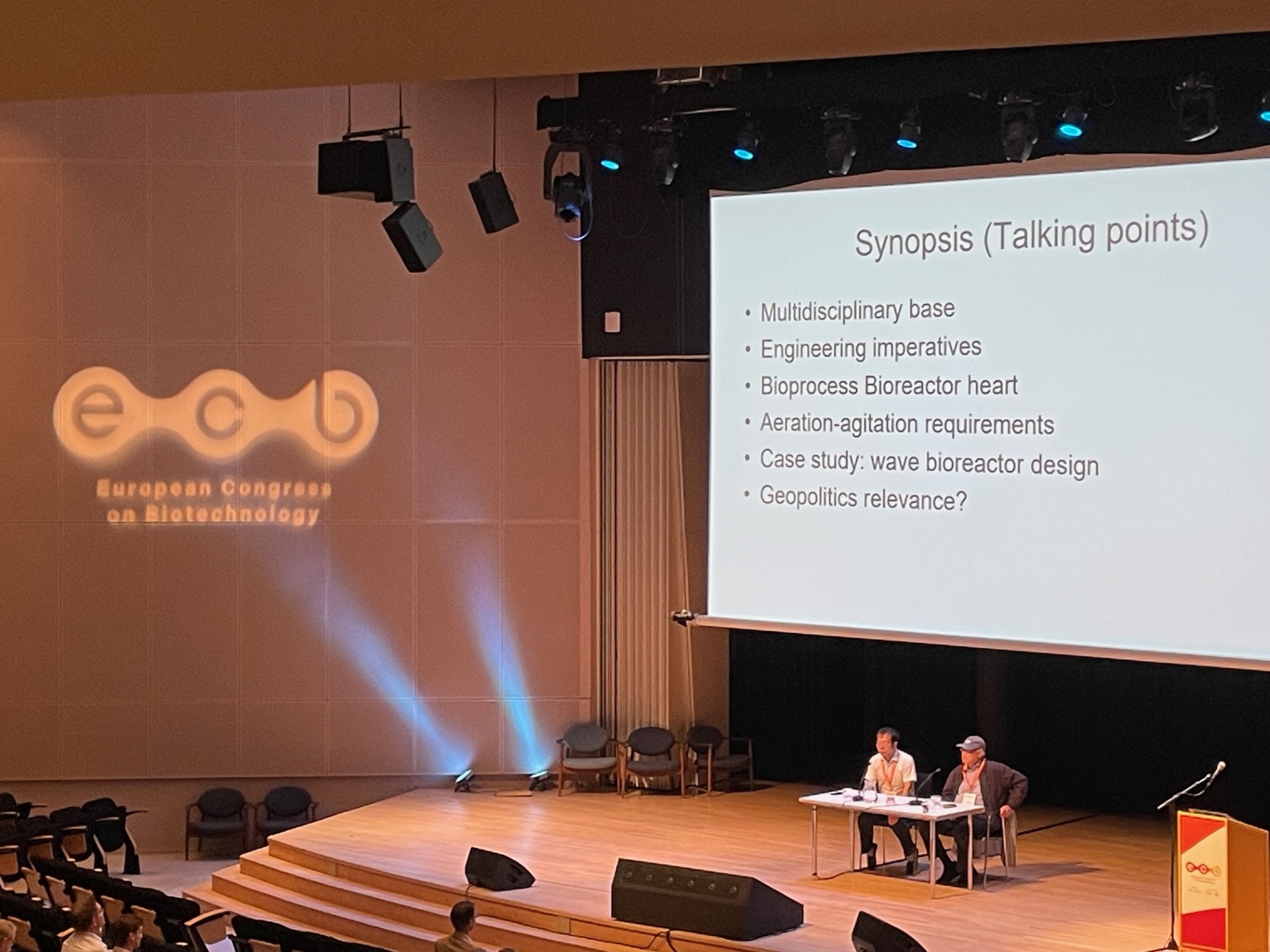
At the European Congress on Biotechnology 2026 (ECB2026) in Antwerp, this shift becomes visible not as a prediction, but as a lived reality. Over three days, scientists, industry leaders, and policy thinkers gather in a programme that reflects a field in transition—from discovery to deployment, from promise to infrastructure.
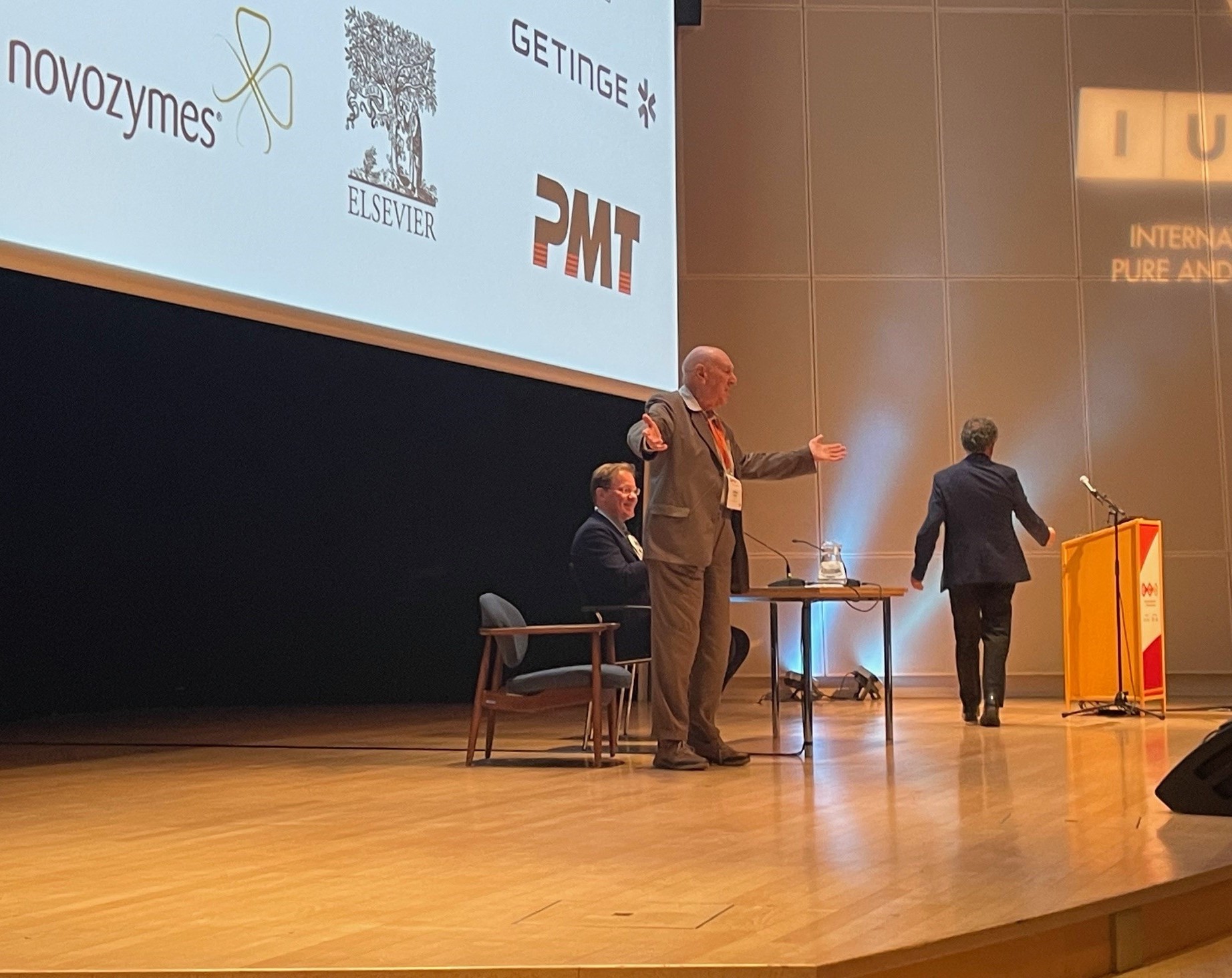
The congress opens with a tribute to Jeff Cole, a reminder that modern biotechnology is built on decades of foundational work in microbial and fungal systems. But from that historical grounding, the focus quickly moves forward—toward the technologies and ideas that will define the next decade.
A field being reshaped in real time
One of the defining features of ECB2026 is how clearly it reflects the convergence of once-separate domains. Agriculture is no longer separate from data science. Medicine is increasingly shaped by materials engineering. Environmental biotechnology now overlaps with energy systems. And microbial biology sits at the center of all of them.
That convergence is embodied in the opening plenary by Catherine Feuillet of Inari Agriculture. Her work on AI-enabled seed design and multiplex gene editing reflects a broader transformation in agriculture: from selection to design, from breeding cycles measured in years to systems driven by predictive computation.
It is a vision of food production that feels closer to engineering than farming—and yet is deeply rooted in biological systems.
Biotechnology under pressure: scale, speed, and sustainability
If one theme runs through ECB2026, it is the tension between scientific capability and real-world implementation.
This becomes especially clear in the industrial biotechnology plenary by Claus Crone Fuglsang of Novonesis. His perspective reflects a field that has already proven its scientific value—microbial production of enzymes, food ingredients, and biomolecules—but now faces a different challenge: scaling sustainably, efficiently, and globally.
Here, biotechnology is not framed as an emerging science, but as critical infrastructure for the green transition. Yet it is also constrained by regulatory complexity, production bottlenecks, and the difficulty of translating laboratory systems into industrial reality. ECB2026 becomes, in this sense, less a celebration of innovation and more a negotiation with its limits.
Medicine beyond the molecule
In the health-focused stream, biotechnology takes on a more intimate dimension: the redesign of how therapies interact with the human body.
The plenary by Hyung Joon Cha (POSTECH) captures this shift through synthetic adhesive biomaterials designed for localized drug delivery. Instead of systemic treatments that circulate broadly through the body, his work focuses on precision targeting—keeping therapeutics exactly where they are needed, and nowhere else.
It reflects a broader trend in biomedical engineering: the move from general intervention to spatial and temporal control.
Meanwhile, Molly Stevens (University of Oxford) extends this logic into biomaterials, diagnostics, and nanomedicine, where engineered surfaces and nanoparticles are increasingly used to both sense and respond to disease environments.
What emerges is a vision of medicine that is no longer passive, but responsive—materials that diagnose, deliver, and adapt.
The hidden intelligence of biology
Perhaps the most striking intellectual shift at ECB2026 comes from the growing recognition that biology itself contains forms of computation, transport, and even electricity that are only now being understood.
This is the territory explored by Filip Meysman (University of Antwerp), whose work on microbial electrical conduction challenges long-held assumptions about the limits of biological systems.
The idea that microbes can transport electrons over macroscopic distances reshapes how we think about life at the interface of chemistry and physics. It also opens entirely new possibilities for bioelectronics, biodegradable materials, and low-energy sensing technologies. In this framing, biology is not just a tool for engineering—it is an engineering system in its own right.
Four directions, one system
Across the programme, ECB2026 is structured around four interconnected streams:
What is notable is not just the breadth of topics, but their increasing interdependence. A microbial platform developed for industrial chemistry may also shape food systems. A gene-editing tool used in crops may inform therapeutic design. A biosensor developed for healthcare may later be adapted for environmental monitoring.
Biotechnology, in this sense, is no longer a set of verticals. It is becoming a network.
A congress that reflects a transition point
ECB2026 is not positioned as a conclusion or a showcase. It feels more like a midpoint in a larger transition—between what biotechnology has been and what it is becoming.
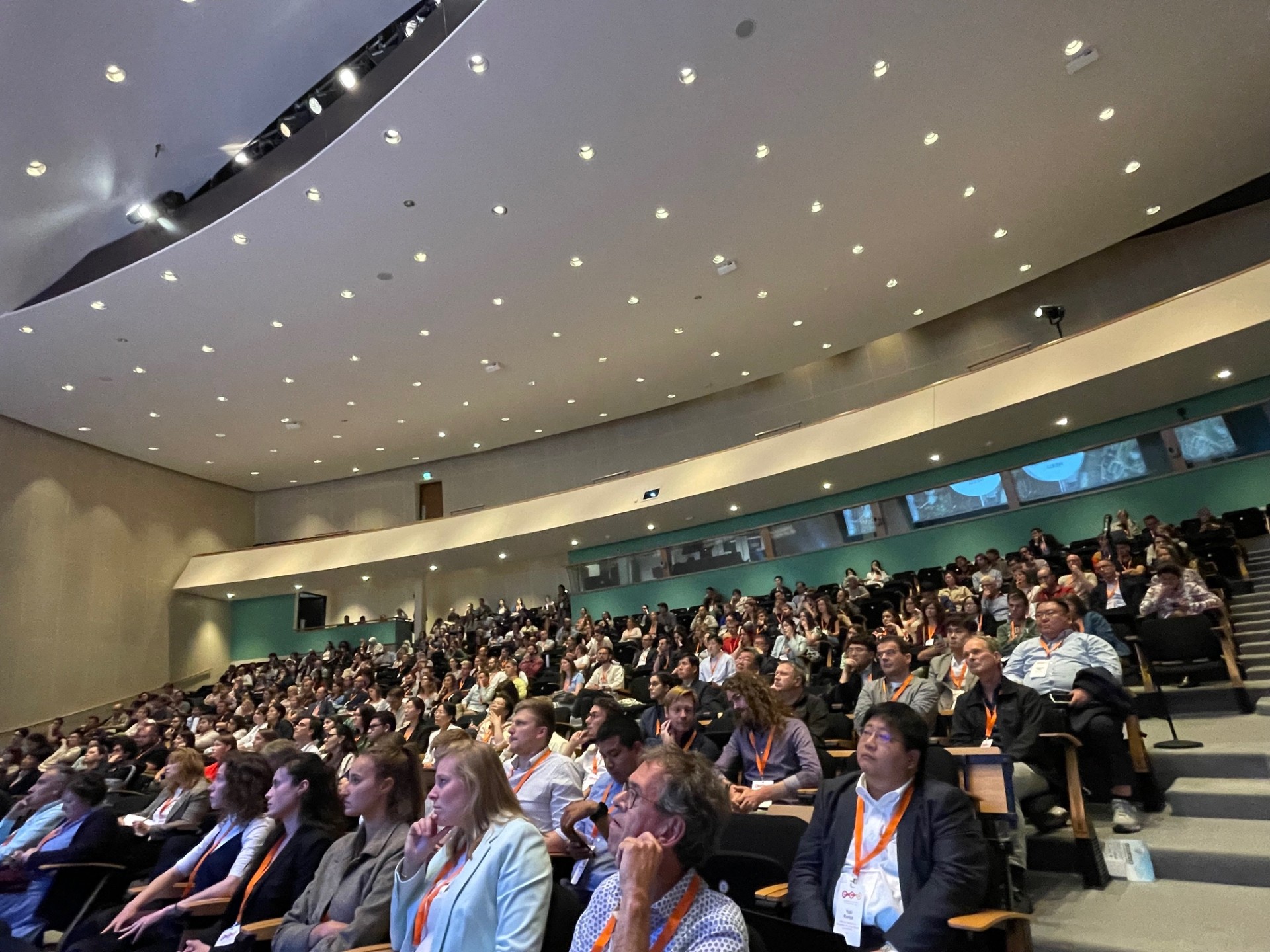
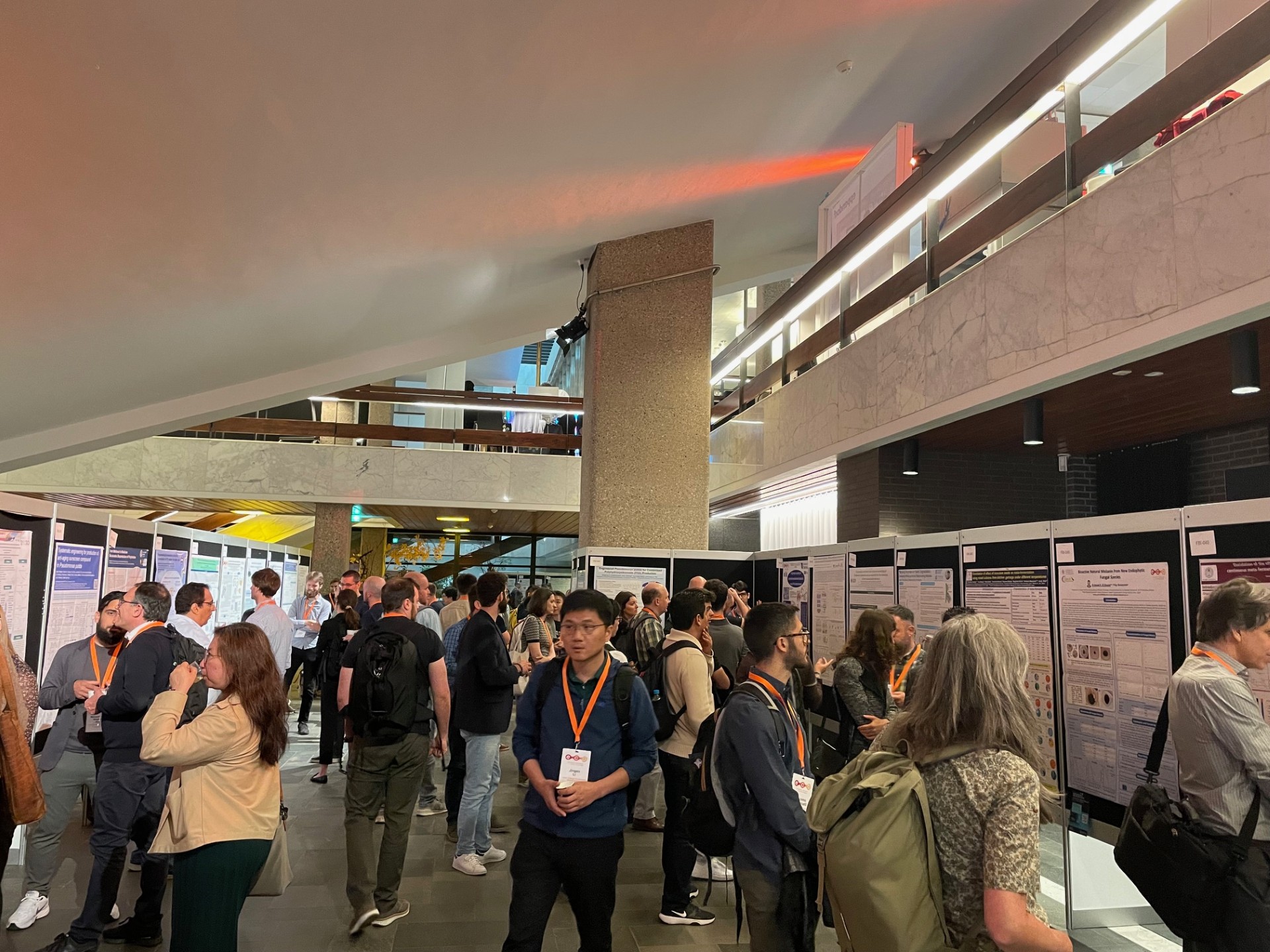
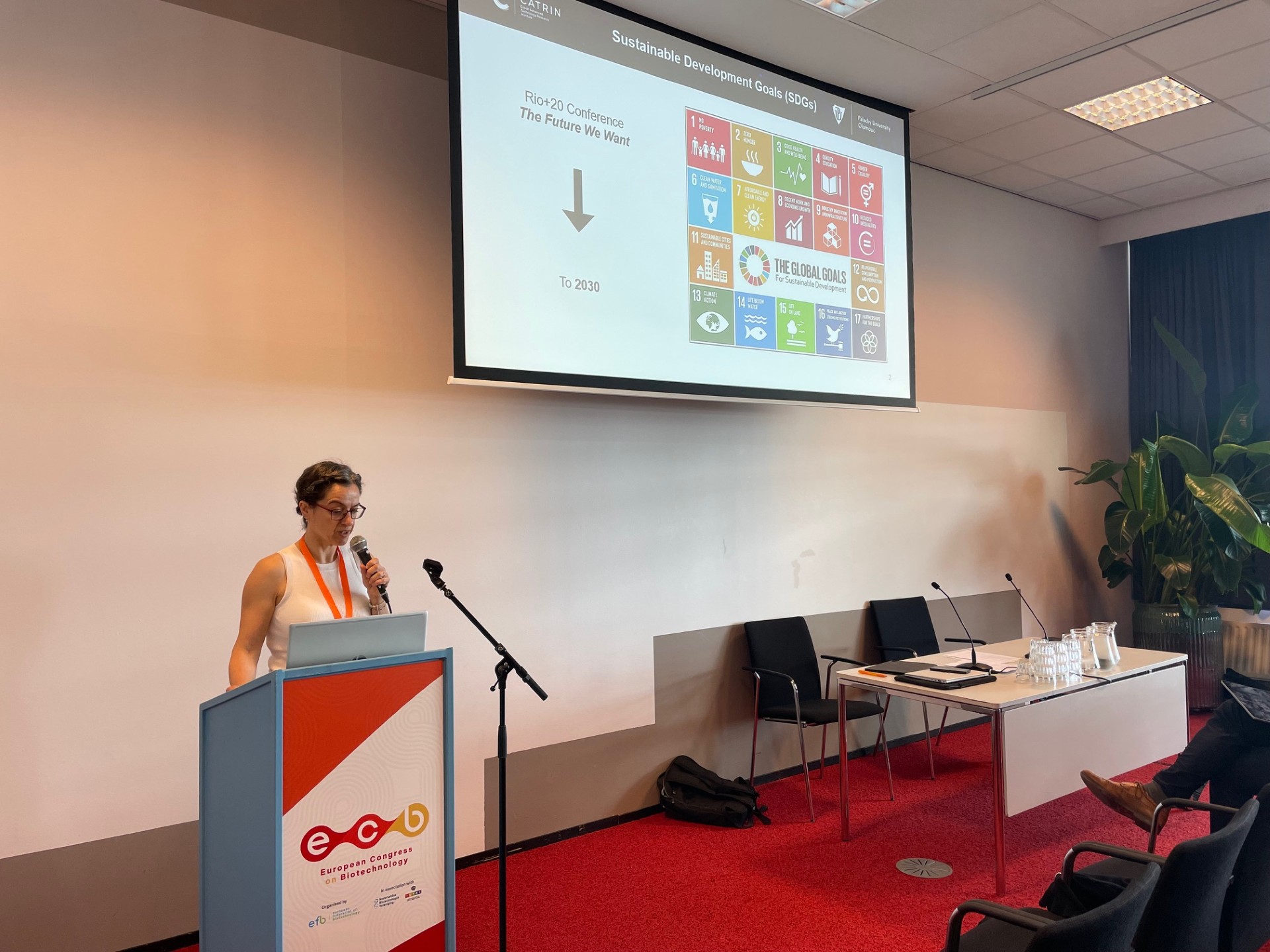
The presence of industry leaders, academic pioneers, and interdisciplinary researchers in the same programme signals a field that is no longer asking whether its technologies work, but how they can be integrated into society at scale. From AI-guided agriculture to microbial electricity, from engineered tissues to carbon recycling systems, the congress maps a discipline expanding beyond its traditional boundaries.
Closing perspective
Biotechnology in Europe is entering a phase defined not by isolated breakthroughs, but by system-level thinking. ECB2026 captures that shift with unusual clarity. It is not just a scientific meeting in Antwerp—it is a snapshot of a field assembling itself into something larger, more connected, and more consequential than before.
If earlier decades of biotechnology were about discovery, this one is about integration.
And ECB2026 is where that integration becomes visible.
If you would like to receive updated about the upcoming events, please sign up for the EFB newsletter.
